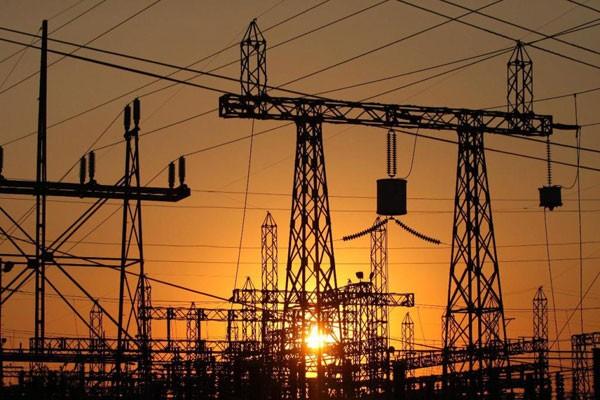

For many years, keen observers of Nigeria’s erratic power sector have quietly noted a cyclical pattern: electricity supply tends to experience a brief, relative improvement during the peak of the rainy season.
A closer look at the mechanics reveals why. Hydroelectric power plants—anchored by major installations like the iconic Kainji dam historically serve as foundational pillars of the national grid. When seasonal downpours swell water levels, these hydro stations function closer to optimum capacity, injecting critical megawatts into a grid otherwise constrained by the chronic underperformance of gas-fired thermal plants. Without this seasonal hydrological boost, maintaining even a baseline generation threshold becomes an uphill battle.
As the rains recede and the dry season settles in, that fragile cushion vanishes. True to form, the Nigerian Independent System Operator (NISO) and the Federal Government have confirmed a fresh dip in power generation—hovering below expected thresholds to around 3,659 MW—explicitly pointing to reduced water inflows into hydroelectric reservoirs alongside persistent gas supply shortages.
The Official Perspective vs. Ground Reality
While government officials and sector regulators frequently roll out ambitious roadmaps and promise an end to systemic grid failures, the structural vulnerabilities remain stark. Following recent supply disruptions, authorities have rushed to clarify that the current widespread outages stem primarily from generation deficits—driven by dwindling hydro capacity and gas feedstock bottlenecks—rather than total grid collapses.
Yet, for the average citizen and business owner, the semantic difference between a “generation deficit” and a “grid collapse” matters very little. The outcome is identical: darkened homes, frozen production lines, and an immediate resort to costly alternative power sources.
What This Means for You
The annual “honeymoon phase” of slightly better power enabled by nature’s rainfall is officially over. For small- and medium-scale enterprises, retail outfits, and manufacturers who rely on steady electricity to stay afloat, waiting on the national grid is no longer a viable business strategy.
It is time to dust off the generators, service the alternators, and brace for the realities of the dry-season energy squeeze. Unless structural overhauls in gas supply and power infrastructure move past political rhetoric, power stability will remain at the mercy of the weather.