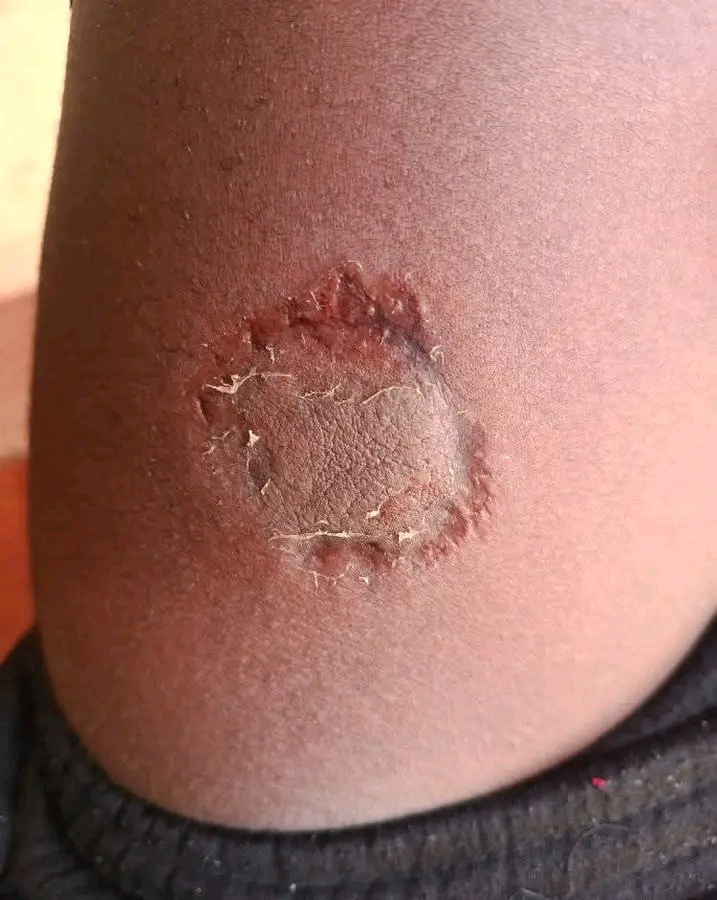

🦷Imagine you’re involved in a fight, a child bites you while playing, or someone accidentally bites your finger during a struggle. You might laugh it off and say, “It’s just a bite!” But did you know that a human bite can sometimes be more dangerous than an animal bite?
Let’s talk about it.
🦠 WHY ARE HUMAN BITES DANGEROUS?
Our mouths contain millions of bacteria. When someone bites another person hard enough to break the skin, these bacteria can enter the wound and cause a serious infection.
Some of the bacteria involved include Streptococcus, Staphylococcus and Eikenella corrodens.
A human bite can cause:
– Wound infection: The area may become red, swollen, warm, painful or start producing pus.
– Cellulitis: An infection that spreads into the surrounding skin and tissues.
– Tendon and joint damage: Particularly when the bite occurs on the fingers or hands.
– Deep tissue infection: In severe cases, infection can reach the bones or joints.
– Tetanus: If your vaccination is not up to date, a bite that breaks the skin may require a tetanus booster or other preventive care.
In rare cases, severe infections can spread into the bloodstream and become life-threatening.
⚠️ WHY ARE BITES ON THE HAND PARTICULARLY DANGEROUS?
Imagine punching someone in the mouth during a fight. Their teeth cut the skin over your knuckles. The wound may look tiny, but bacteria can be pushed deep into the joint or tendon.
This is commonly called a fight bite, and it can cause serious damage even when the skin wound appears insignificant.
Never ignore a small bite wound over the knuckles or fingers!
🩹 WHAT SHOULD YOU DO IF SOMEONE BITES YOU?
1. Wash the wound immediately. Use plenty of running water and soap for several minutes. If the wound is deep, do not probe inside it.
2. Control the bleeding. Apply gentle, firm pressure with clean gauze or a clean cloth.
3. Cover the wound. Use a clean, sterile dressing after washing it.
4 Seek medical attention promptly if the skin is broken. Human bites that break the skin often need assessment for antibiotics, especially bites on the hands, face, feet or near joints. Do not wait for signs of infection to appear.
5. Check your tetanus vaccination status. A healthcare professional can determine whether you need a booster or additional preventive treatment.
6. Do not apply irritating substances such as bleach, concentrated alcohol, soil or herbal mixtures to the wound. Avoid attempting to seal a deep wound yourself.
💊 WILL YOU NEED ANTIBIOTICS?
Not every bite requires antibiotics, but preventive antibiotics are commonly recommended when a human bite breaks the skin and draws blood. They may also be needed for certain high-risk wounds, even without visible bleeding.
A clinician will assess the depth, location and severity of the wound before deciding on treatment.
If the person who bit you has known or suspected HIV or hepatitis B, and blood exposure occurred, tell the clinician immediately. HIV post-exposure prophylaxis, when indicated, must be started as soon as possible and no later than 72 hours after exposure. Hepatitis B prevention may also be necessary depending on vaccination status and the exposure.
🚨 WHEN SHOULD YOU SEEK URGENT HELP?
Go to a healthcare facility urgently if:
– The bite is deep, heavily bleeding or involves the hand, face or a joint.
– You develop increasing pain, redness, swelling, pus or fever.
– You notice red streaks spreading from the wound.
– You have difficulty moving the affected finger or limb.
– The wound exposes deeper tissues or you experience numbness.
THE BOTTOM LINE
A human bite is not something to dismiss simply because the wound looks small. The mouth contains bacteria capable of causing serious infections, and the damage may extend deeper than you can see.
Wash the wound, control the bleeding and get medical assessment if the skin has been broken.
And remember, a bite during a fight is not just a relationship or anger issue; it can become a medical emergency.