
The ripple effects of the escalating crisis in the Middle East are sending shockwaves across the African continent.
Aliko Dangote, Chairman and CEO of the Dangote Group, has issued a sobering warning: if global tensions do not de-escalate soon, African nations including Nigeria may be forced to revert to the remote-work protocols seen during the COVID-19 pandemic to manage soaring energy costs.
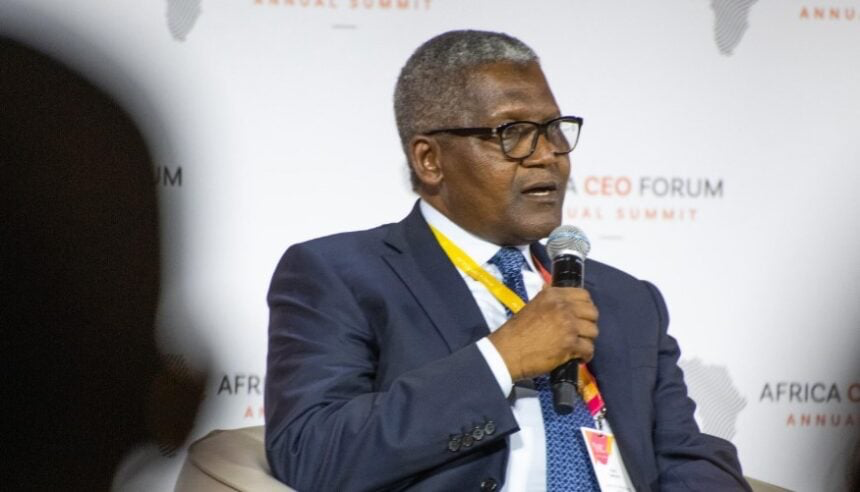
Speaking to the press on Monday following a high-profile meeting with President Bola Tinubu at his Ikoyi residence in Lagos, the industrialist painted a grim picture of the economic vulnerabilities facing the continent.
The Looming Energy Crisis and the “Work-From-Home” ShiftDangote’s primary concern centers on the volatility of oil prices and its direct impact on a population already grappling with debt and a lack of financial buffers. Unlike wealthier regions, Africa lacks the substantial reserves needed to cushion the blow of a prolonged energy spike.
“In Africa, we don’t have any reserves in terms of savings,” Dangote noted. “People normally go out and look for money for the next day… if they don’t work that day, they won’t eat.”
To illustrate the potential path forward, Dangote pointed toward Indonesia, where the government has already begun experimenting with a four-day work week to curb energy consumption. He suggested that if the global situation worsens, African governments might have no choice but to mandate full work-from-home arrangements to keep the economy from collapsing under the weight of transportation and power costs.
Who Stands to Lose the Most?
The billionaire businessman emphasized that while Africa is not a party to the Middle East conflict, it will likely pay a disproportionate price. He highlighted that the “pinch” will be felt most acutely by:
- Small Business Owners: Barbers, bakers, and artisans who rely on generators.
- Low-Income Earners: Those whose salaries cannot keep pace with the rising cost of living.
- Local Industries: Factories struggling to maintain production amidst skyrocketing fuel prices.
“It’s not only energy,” Dangote warned. “Some people will try and take a chance… to make money. If this doesn’t de-escalate, prices will keep going up, and governments cannot simply add to salaries.”
A Silver Lining: Strengthening Ties with the UK
Despite the regional anxieties, Dangote shared a more optimistic outlook regarding President Tinubu’s recent diplomatic efforts. Discussing the President’s state visit to the United Kingdom, Dangote hailed the £746 million infrastructure agreement as a landmark achievement.
For Dangote, the deal is less about the specific dollar amount and more about the symbolism of international confidence in Nigeria’s economic future.
Key Takeaways from the UK Infrastructure Deal:- Port Development: A primary focus of the funding provided by UK Export Finance.
- Investor Confidence: Dangote believes this move will trigger a “domino effect,” encouraging nations like Germany to follow suit with their own investment packages.
- Access to Credit: The UK Export Finance agency is now effectively “open for business” for Nigerian private investors, a resource that has been largely underutilized for years.
A Call for Stability
The meeting at the President’s residence, which was ostensibly a courtesy visit for Eid-el-Fitr greetings, turned into a deep dive into the geopolitical hurdles facing the nation. Dangote concluded by calling for urgent international intervention and collective prayer, stressing that “all hands must be on deck” to bring the Middle East conflict to a peaceful resolution before the economic fallout becomes irreversible.- As oil price volatility continues to threaten global inflation and transportation costs, the eyes of the African business community remain fixed on the horizon, hoping for de-escalation rather than a return to the isolation of the pandemic era.