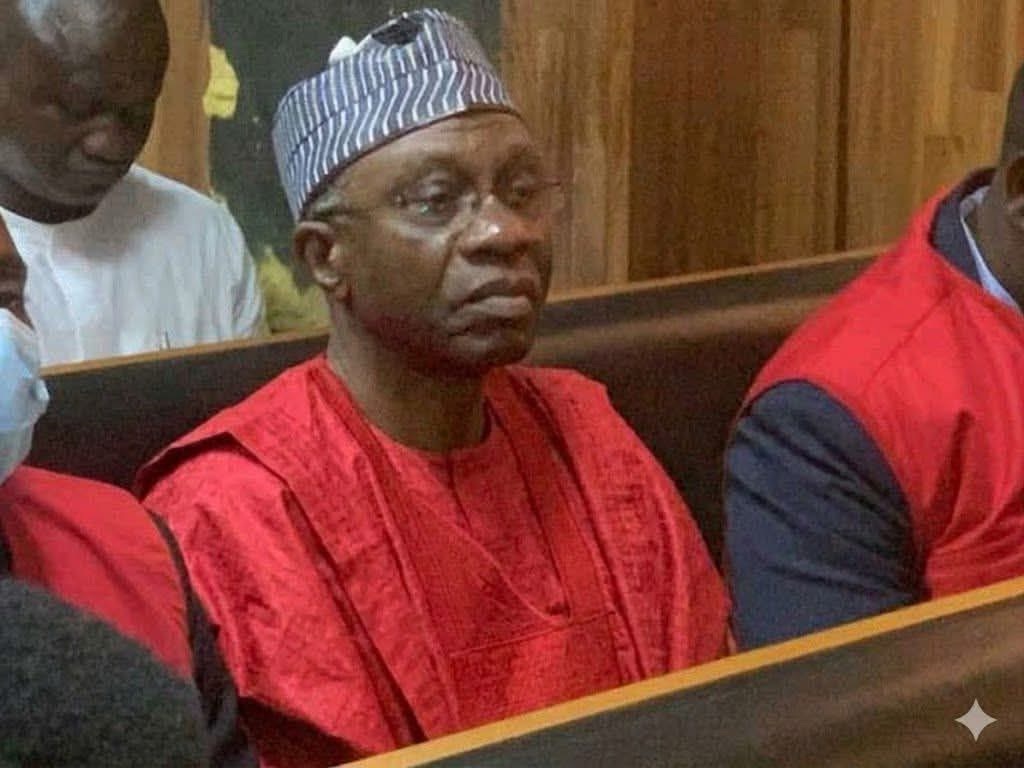

Nigeria’s financial landscape is currently vibrating following sensational reports surrounding the special investigation into the Central Bank of Nigeria (CBN).
At the heart of this storm is the former CBN Governor, Godwin Emefiele, who is allegedly linked to a staggering recovery of ₦4 trillion in funds and the surrender of ownership in six commercial banks.
While the Federal Government has yet to release a line-by-line official confirmation of these specific figures, the scale of the ongoing probe led by Special Investigator Jim Obazee suggests a recovery process that could redefine the nation’s fight against systemic corruption.
The Multi-Billion Dollar Trail
The revelations extend far beyond the former Governor. Sources close to the investigation have leaked explosive details involving other high-ranking officials and their associates:
* Tunde Lemo: The former CBN Deputy Governor has reportedly refunded $500 million to the state.
* The 6-Year-Old “Millionaire”: In one of the most shocking twists, investigators allegedly uncovered $275 million in a bank account tied to the 6-year-old son of a former presidential aide.
* Trillion-Naira Family Links: An additional ₦1.5 trillion has reportedly been traced back to the same influential family.
A “Bankrupt” Inheritance?
These recoveries come on the heels of a stern warning from the National Security Adviser (NSA), Nuhu Ribadu. Ribadu recently lamented that the current administration inherited a “bankrupt” economy, with much of the current revenue being diverted to service debts and plug holes left by unprecedented levels of past looting.
The Obazee-led team is rumored to have recovered over ₦12 trillion in total—a figure that, if fully utilized, could provide a massive lifeline to Nigeria’s struggling economy. Reports suggest that despite desperate attempts by “vested interests” to bribe investigators with millions of dollars to kill the probe, the “quiet recovery” efforts continue behind closed doors.
The Bottom Line
Nigerians are watching closely. While these revelations offer a glimmer of hope for accountability, many citizens remain skeptical. As one social media commentator noted, “The day the spotlight turns fully on the current administration’s own records, that is when Nigeria will truly shake.”
For now, the focus remains on whether these recovered trillions will be transparently reinvested into the infrastructure and welfare of the Nigerian people.